

Spomenar by Filip Filković Philatz is a short-form audiovisual project that translates the idea of a traditional memory book into a contemporary, AI-driven format. Instead of written entries and photographs, it consists of a series of AI-generated video fragments that reconstruct everyday life from Zagreb’s recent past-primarily the 1980s and 1990s. The focus is not on major historical events, but on small, recognizable moments: trams moving through snow, interiors of apartments, shop windows, playgrounds, street corners. These are not precise reconstructions, but emotional approximations-images shaped by how the past is remembered rather than how it objectively looked.
The project operates at the intersection of film direction and generative technology. Filković approaches it as a director, building scenes through references, personal memories, and cultural fragments, while artificial intelligence functions as a tool that materializes those inputs into moving images. In that sense, authorship remains human, while the technology extends the ability to visualize something that no longer exists in physical form. The result is not archival material, but a constructed memory space-one that feels familiar even when it is technically artificial.
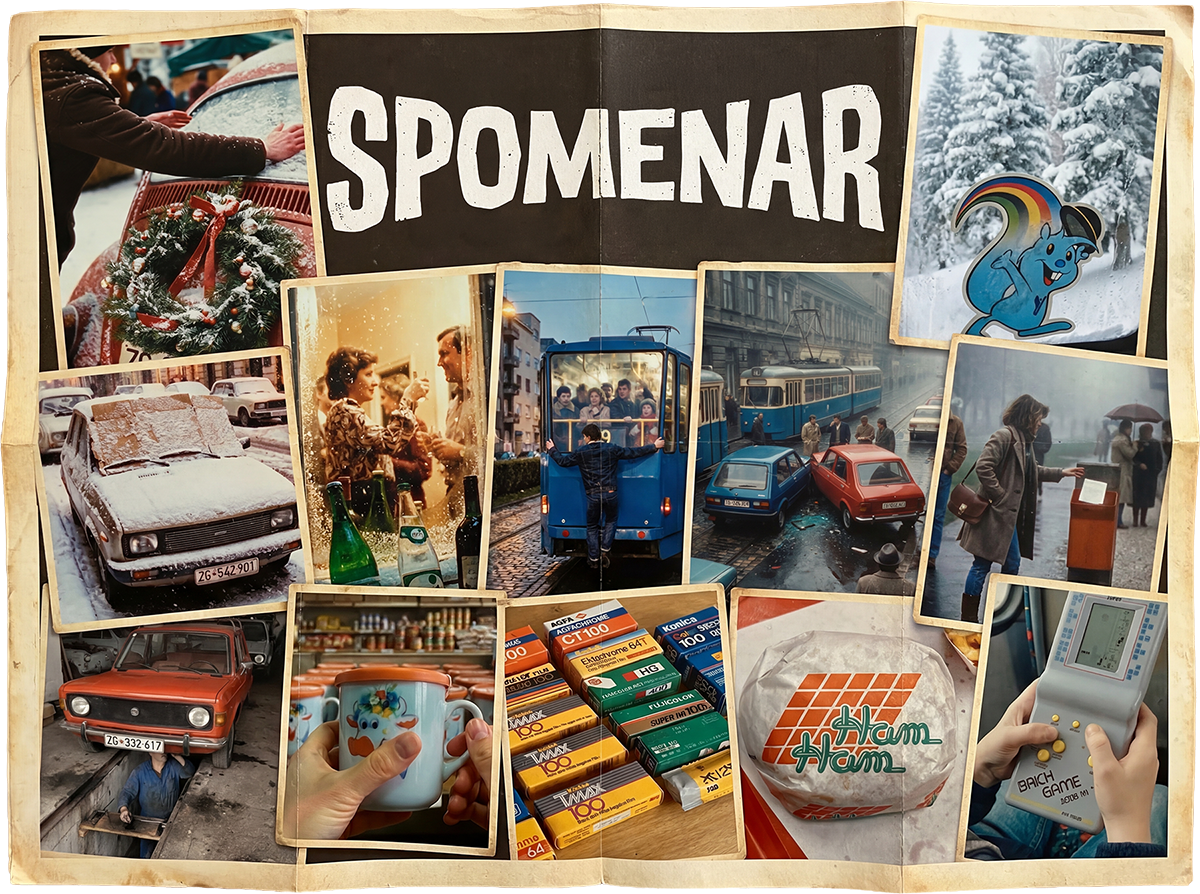
Public reception has been immediate and widespread. The videos circulated rapidly across social media, but their distribution extended beyond typical online engagement. They were shared privately, in family groups and personal conversations, indicating a shift from content consumption to personal identification. Viewers did not primarily respond to the use of AI, but to the recognition of lived experience-childhood atmospheres, textures of daily life, and a sense of time that has disappeared. Many reactions centered on a feeling of disorientation between memory and reconstruction, where viewers were unsure whether they were looking at something real or something remembered.
The project triggered a broader discussion about the role of artificial intelligence in culture, particularly in relation to memory and authenticity. Rather than being perceived as a replacement for reality, Spomenar was largely understood as a tool for accessing something that traditional media cannot easily reconstruct-the subjective, fragmented nature of remembering. Its success lies in that tension: it is clearly artificial, yet it produces a strong sense of truth. As a result, Spomenar functions less as a documentation of the past and more as a collective reconstruction of it, shaped equally by the author’s intent and the audience’s own memories.
The series has amassed over 60 million views (as of April 2026), reflecting a strong and widespread audience connection.
FOLLOW THE SERIES HERE:





Episodes
EPISODE 01: This is what December used to look like
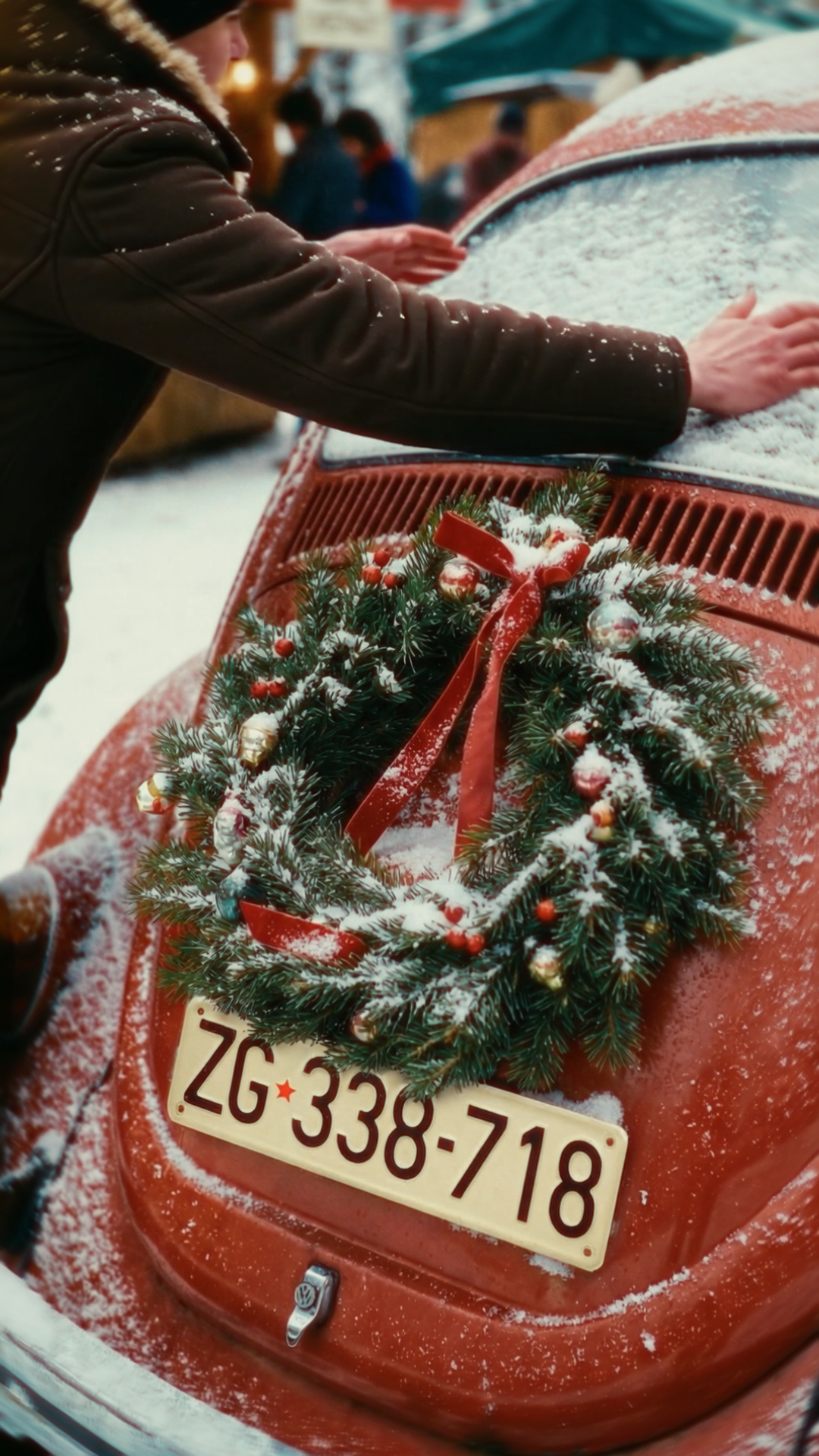
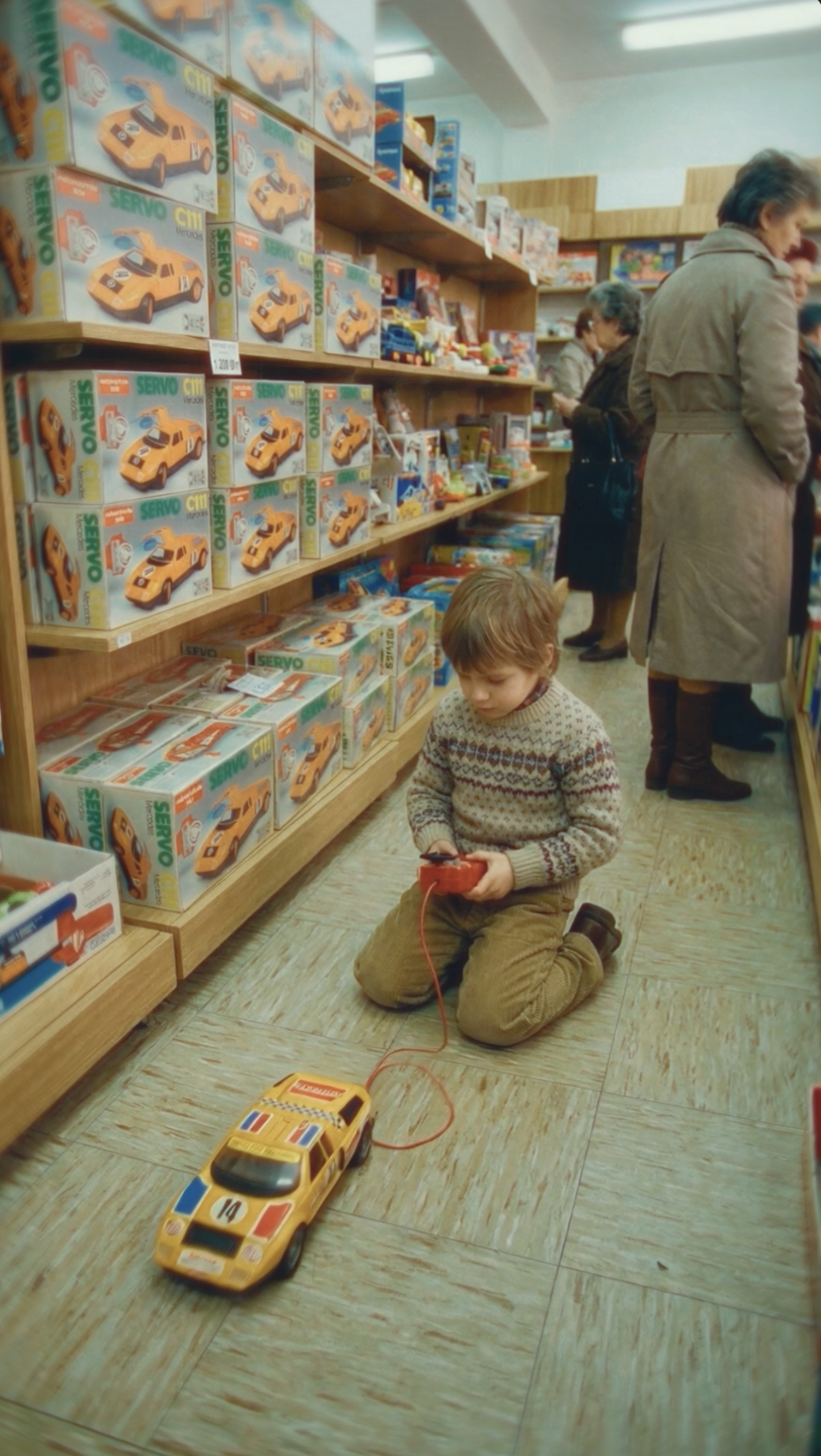
A quiet return to winter in an older Zagreb, when snow stayed for weeks, tram sounds carried through the silence, and the city moved at its own pace. Through small, familiar moments, foggy shop windows, children staring at toys, the smell of cinnamon, wet wool, and home cooking, the episode recalls a time when the city felt slower, closer, and shared.
WATCH IT ON:
EPISODE 03: We didn't have much, but we had everything
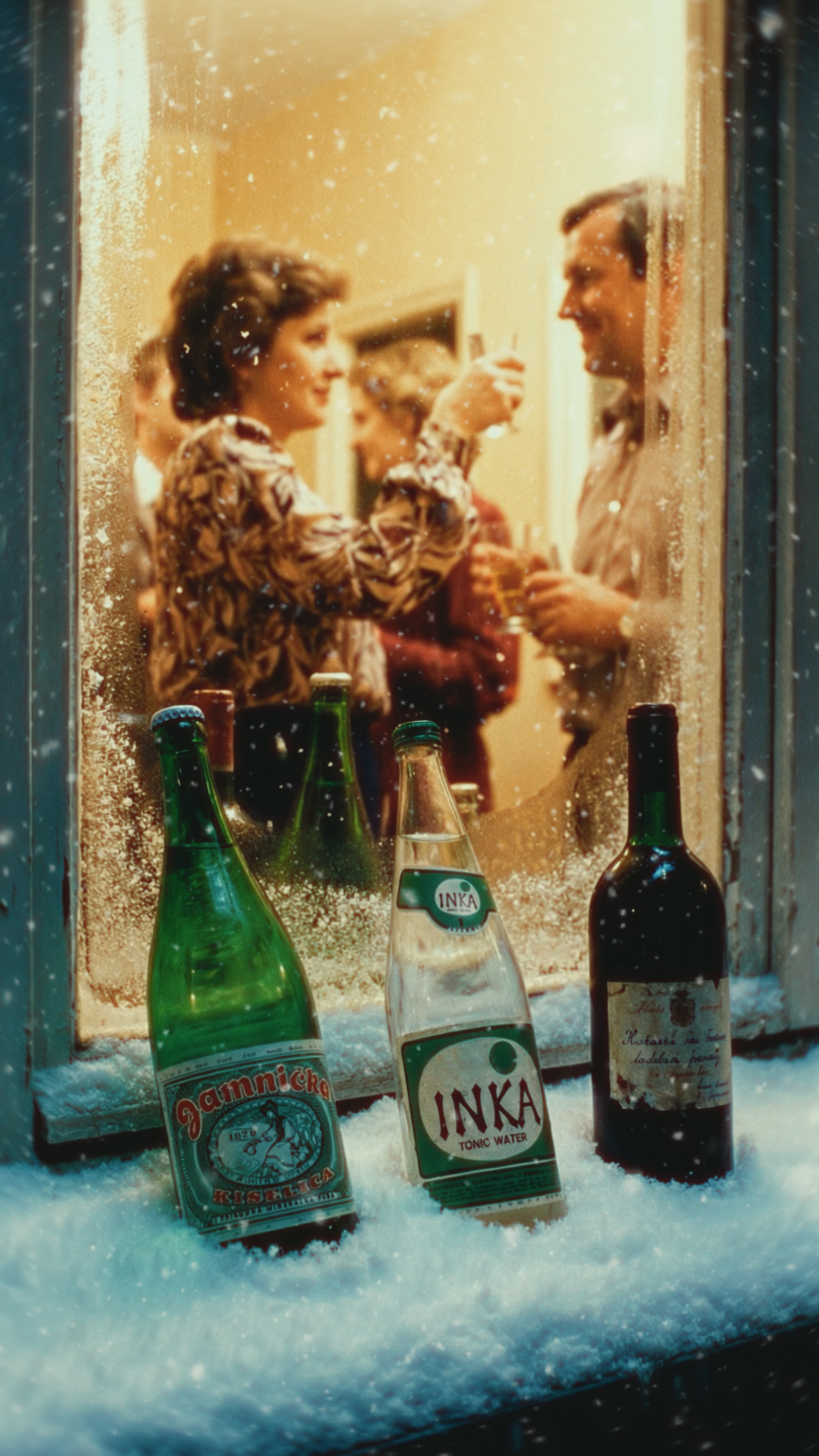
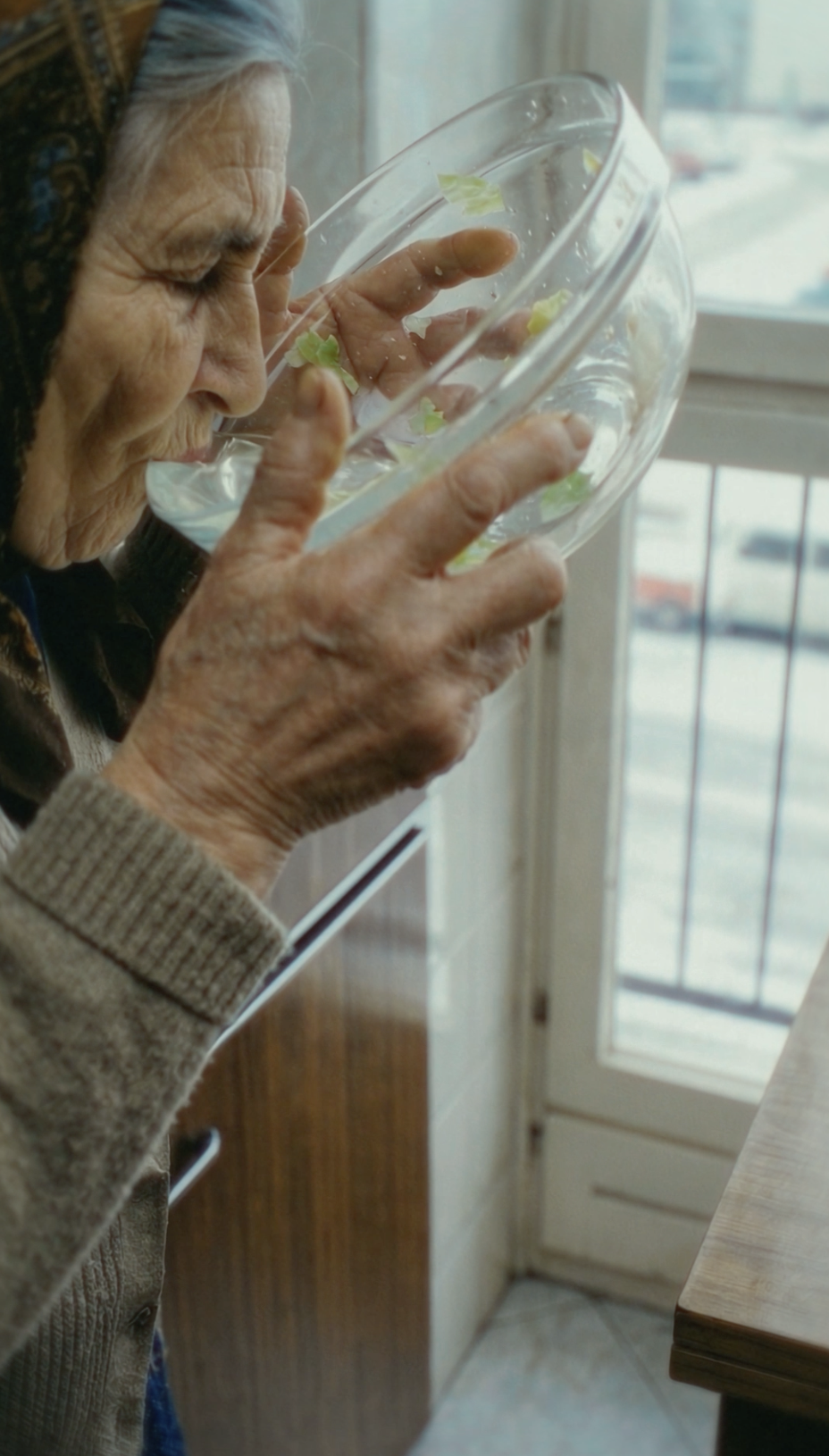
A New Year’s Eve set inside a crowded living room, where everything revolved around food, family, and ritual. French salad in oversized bowls, the smell of sarma and firecrackers drifting through the air, the same TV program flickering in the background. At midnight, noise spilled into the streets while everyone fought for a free phone line that never came. Nothing felt missing.
WATCH IT ON:
EPISODE 05: What was in your basket in the 80s?
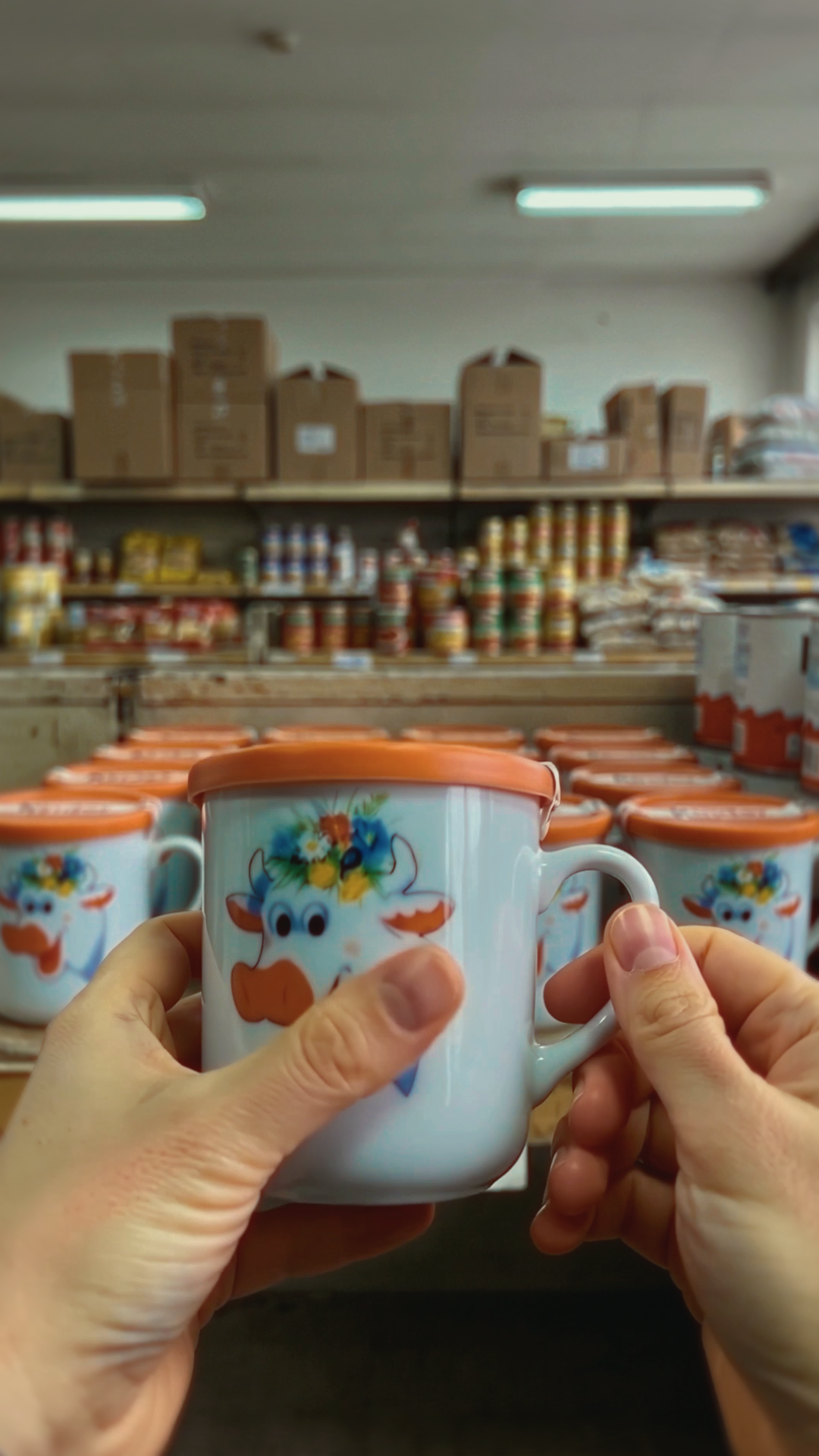
A trip to the local shop as it once was, slow, tactile, and full of small rituals. A wire basket filled with familiar staples, coffee bricks, Kinder Lada, Cedevita, sliced parizer wrapped in paper. Bread chosen by touch, milk leaking from soft bags, bananas left to ripen at home. What stayed was the feeling that very little was enough.
WATCH IT ON:
EPISODE 07: The cartoon before the News
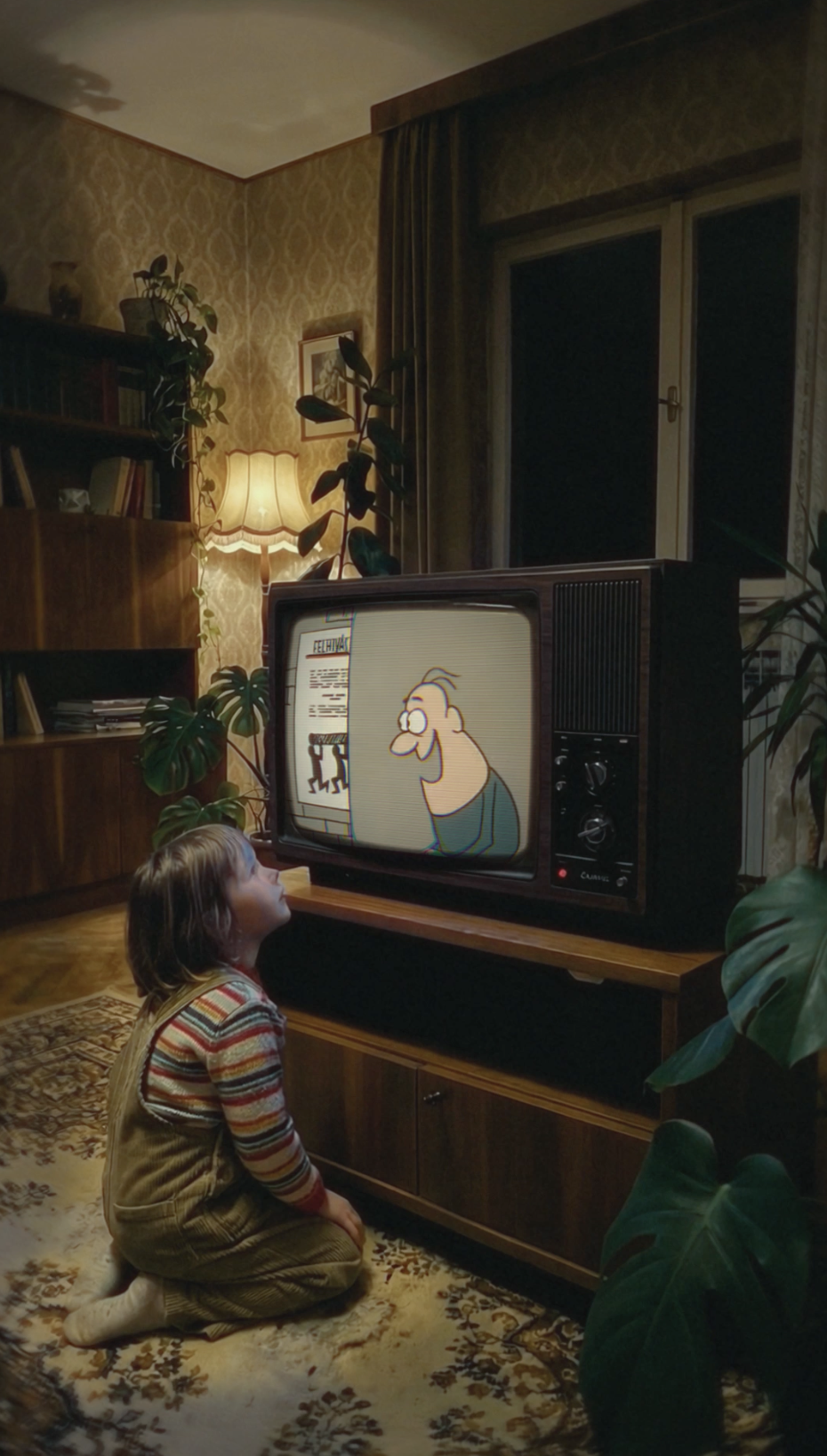
A time when children waited all day for a few minutes in front of the TV. Cartoons began at a fixed hour, no choice, no replay, just what was on. Familiar characters filled those short moments, simple, strange, and unforgettable. It ended just as abruptly, replaced by signals that it was time for bed.
WATCH IT ON:
EPISODE 09: From “Balkan” to “Kustošija”
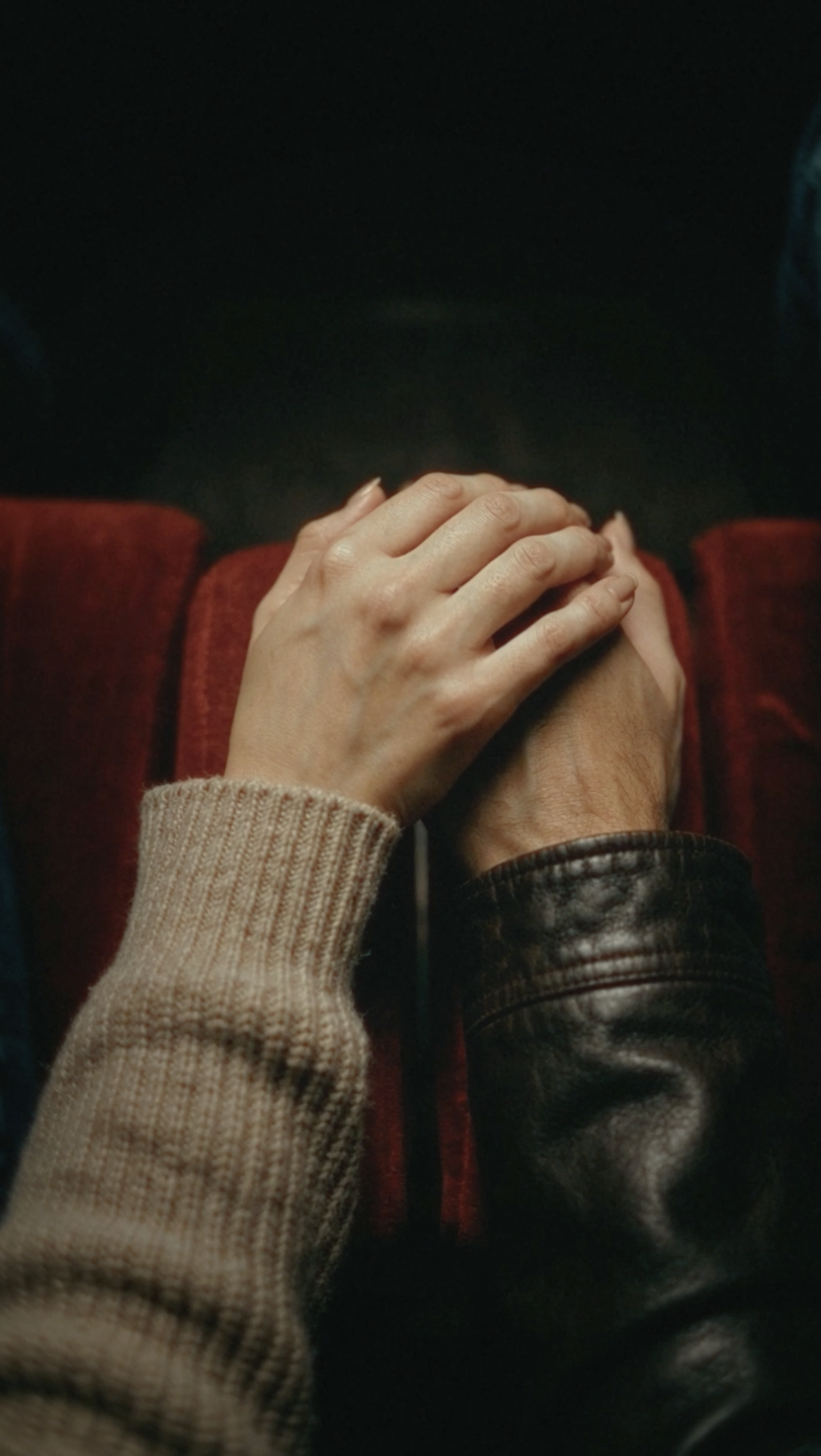
A memory of cinemas as places that shaped the city, each with its own atmosphere and crowd. Small halls scattered across neighborhoods, where going to a film meant stepping into something larger than everyday life. Lines in narrow passages, tickets passed hand to hand, seeds and peanuts in paper cones, the hum of the projector in the dark.
WATCH IT ON:
EPISODE 11: Bathroom of our childhood
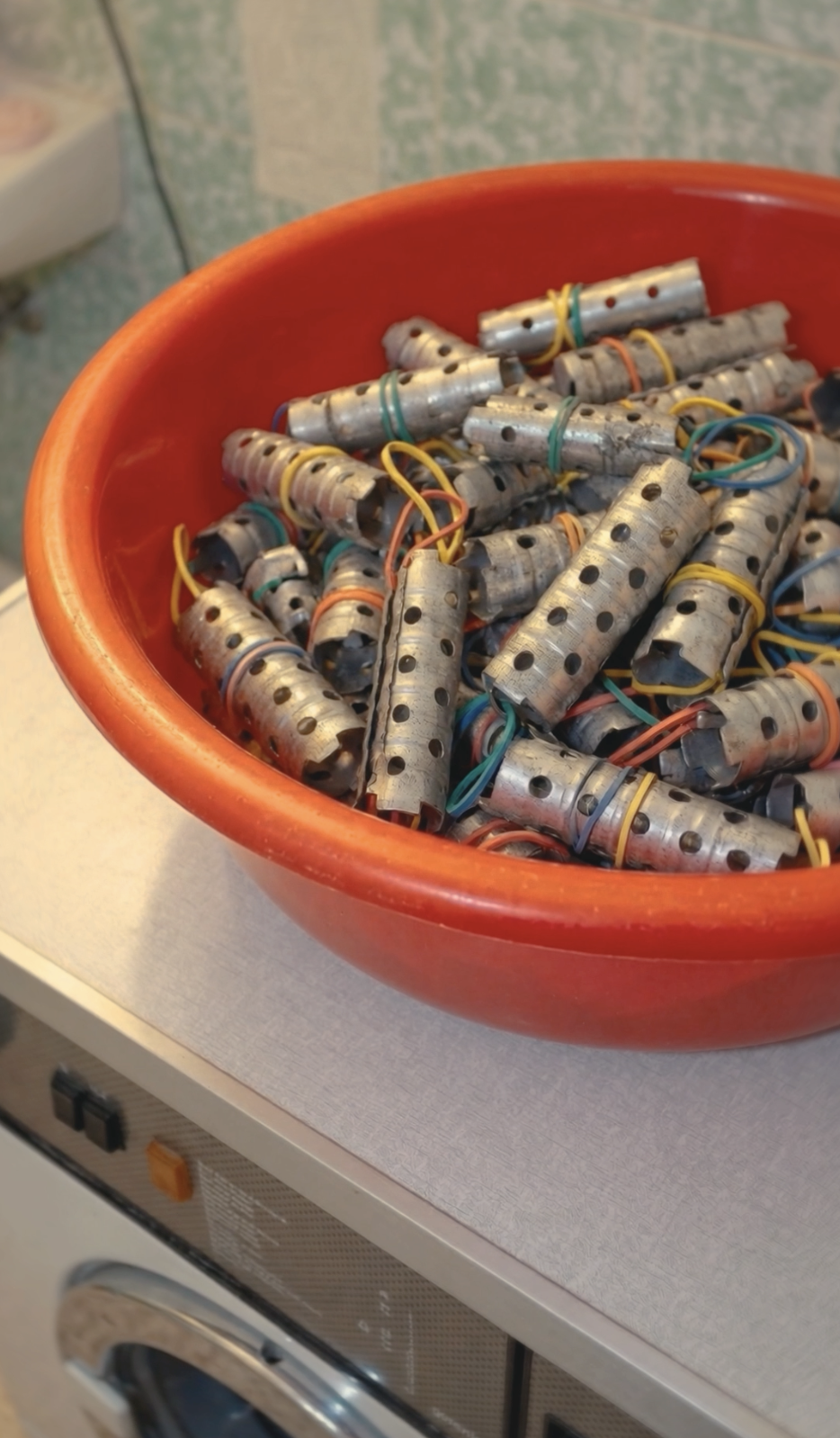
A bathroom filled with familiar scents that defined everyday life. A few bottles and objects, always in the same place, each carrying its own presence. Pine-scented foam, sharp aftershave, hairspray hanging in the air, mint from toothpaste, soap on wet hands. Steam on the mirror, the hum of the boiler, quiet rituals repeated without thinking.
WATCH IT ON:
EPISODE 13: “Bolje vam je tu neg tam” (mid 90s)
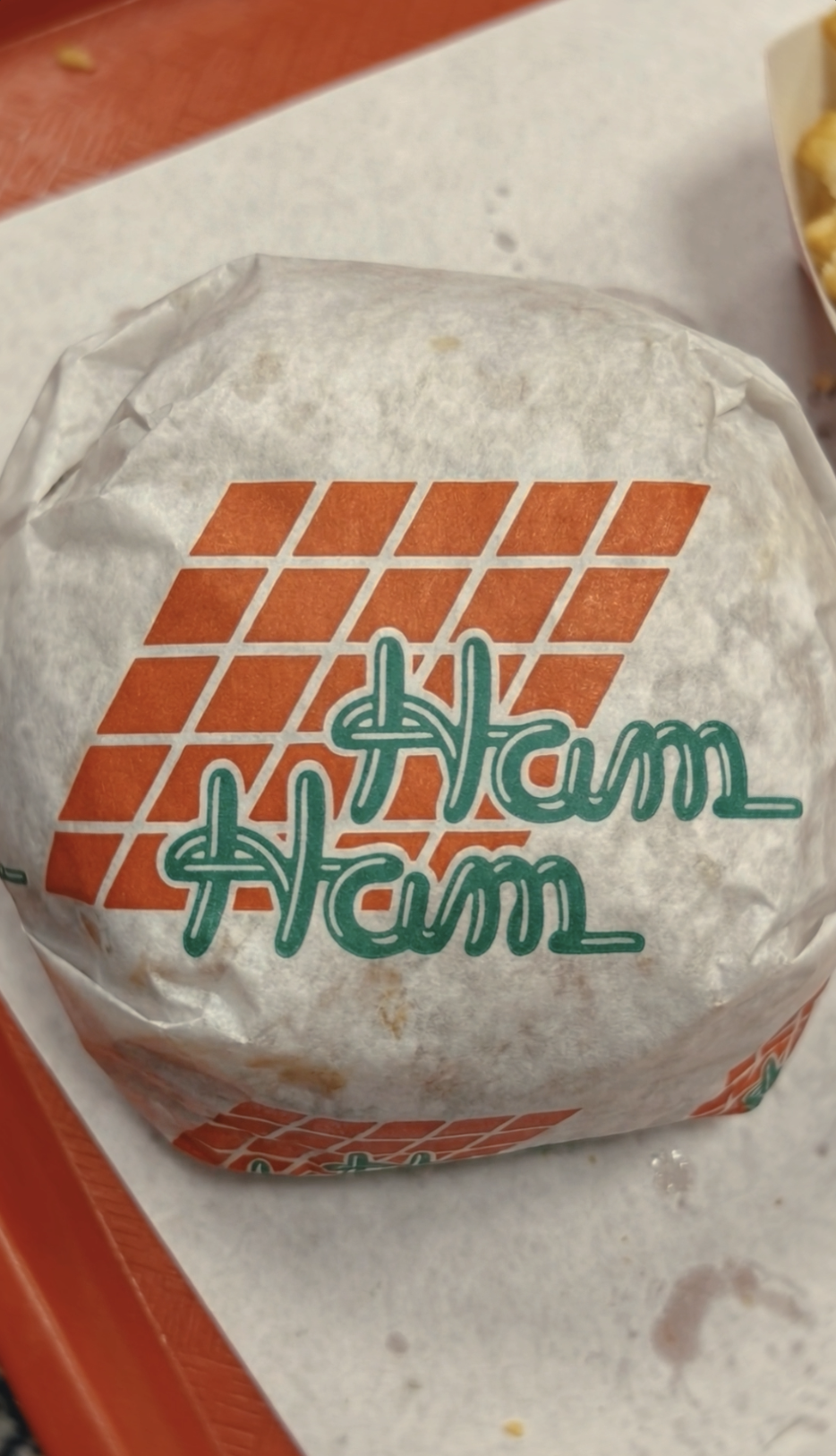
A small place in Varšavska in Zagreb that became a fixed point in the city’s rhythm. Simple burgers, soft buns, shredded lettuce, and a sauce no one managed to recreate at home. Nothing complicated, just a few choices, eaten standing, often in a hurry, with paper already soaked through. It was where people stopped before or after something else, school, cinema, a night out, but the place itself stayed the same.
WATCH IT ON:
EPISODE 15: Red Carnation Day
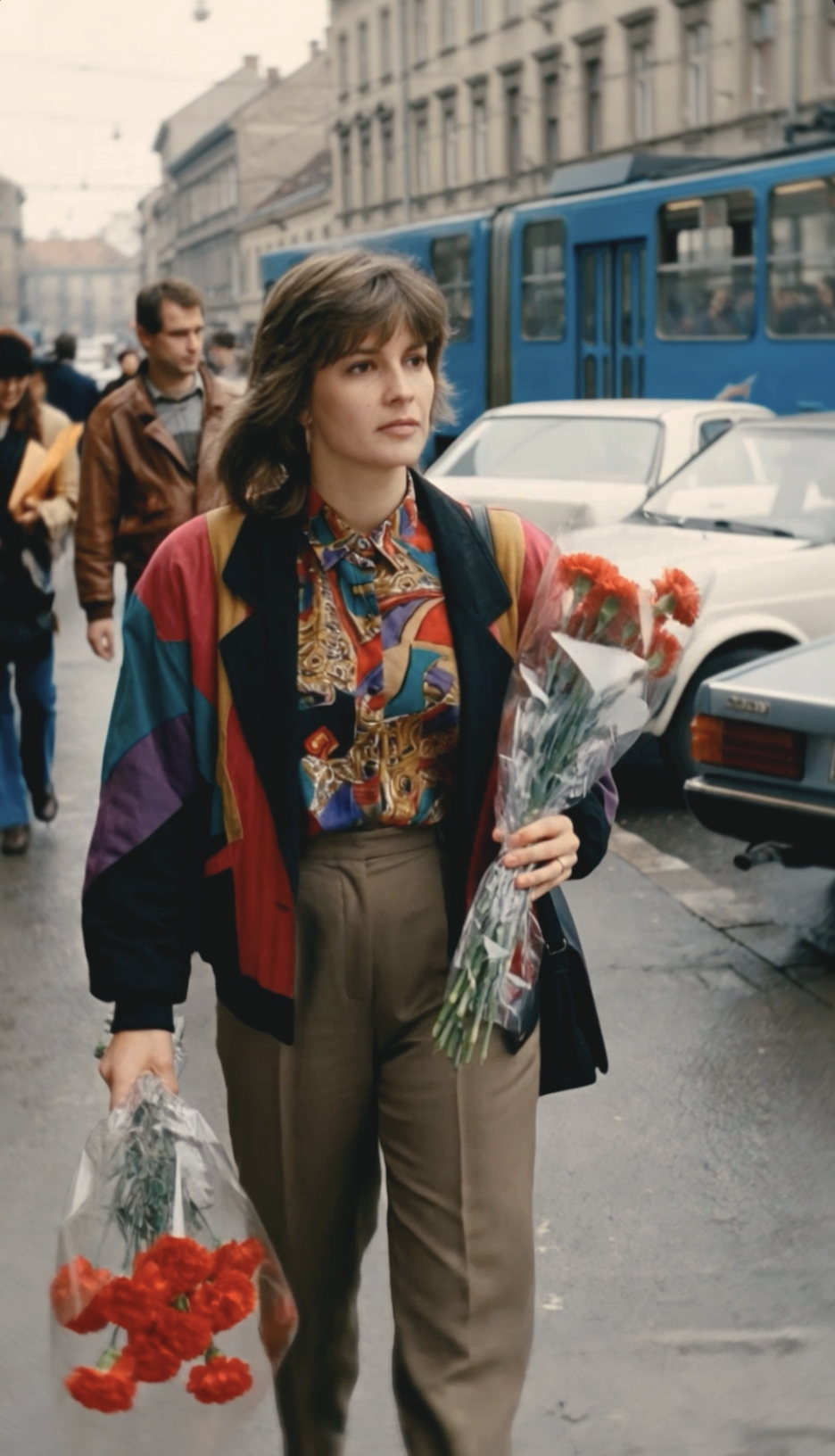
A day when the city moved in one rhythm, marked by a simple red carnation wrapped in crinkled cellophane. Flowers carried through trams and streets, passed from hand to hand to mothers, colleagues, neighbors. It was present in offices, at home, in small gestures that repeated each year. What remains is the moment of giving, quiet, direct, and understood without explanation.
WATCH IT ON:
EPISODE 17: Developed with love
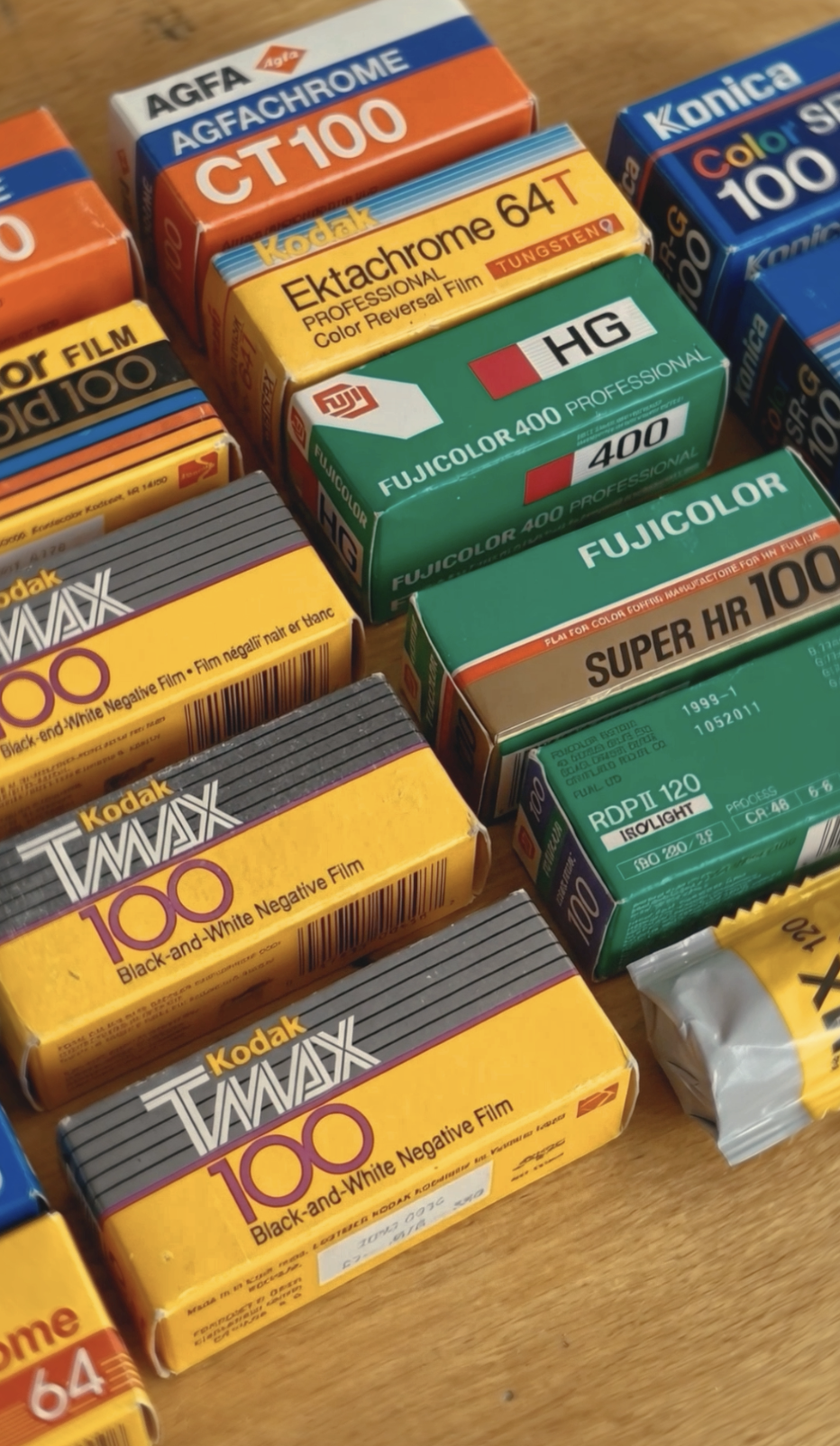
A time when every photograph carried weight. A limited number of shots, each one considered before pressing the shutter. Simple cameras, manual winding, film carefully advanced frame by frame. Images stayed unseen until days later, held in envelopes, revealed all at once. Many were imperfect, blurred, poorly framed, but kept without hesitation.
WATCH IT ON:
EPISODE 19: Gray neighbors
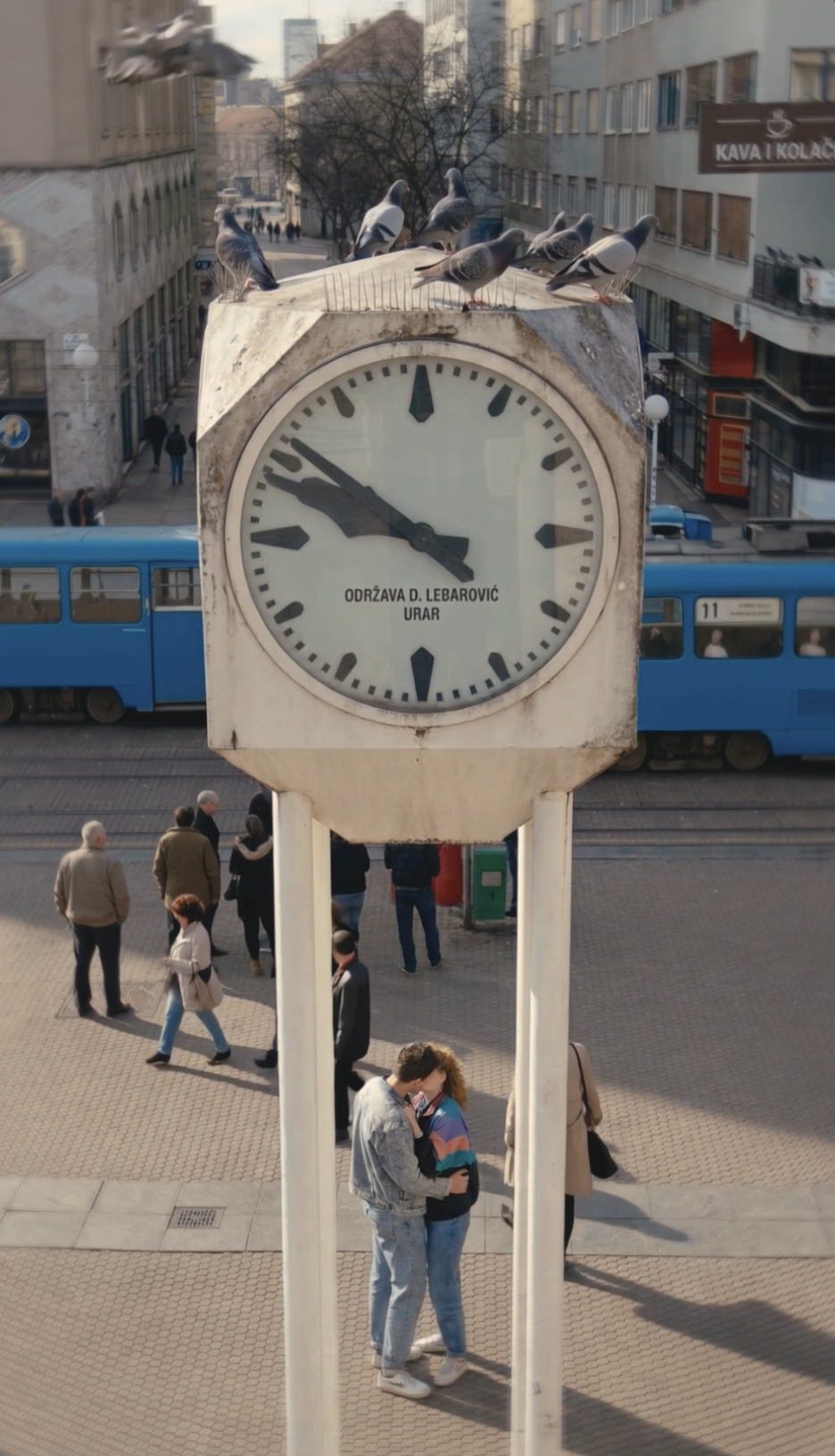
A portrait of the city through its constant, overlooked inhabitants. Pigeons moving through squares, parks, and rooftops, always present, always watching. They gather, scatter, return, unaffected by the pace of the people around them. Moments like feeding them by hand or watching them rise all at once become part of growing up in the city.
WATCH IT ON:
EPISODE 21: Four walls (mid 90s)
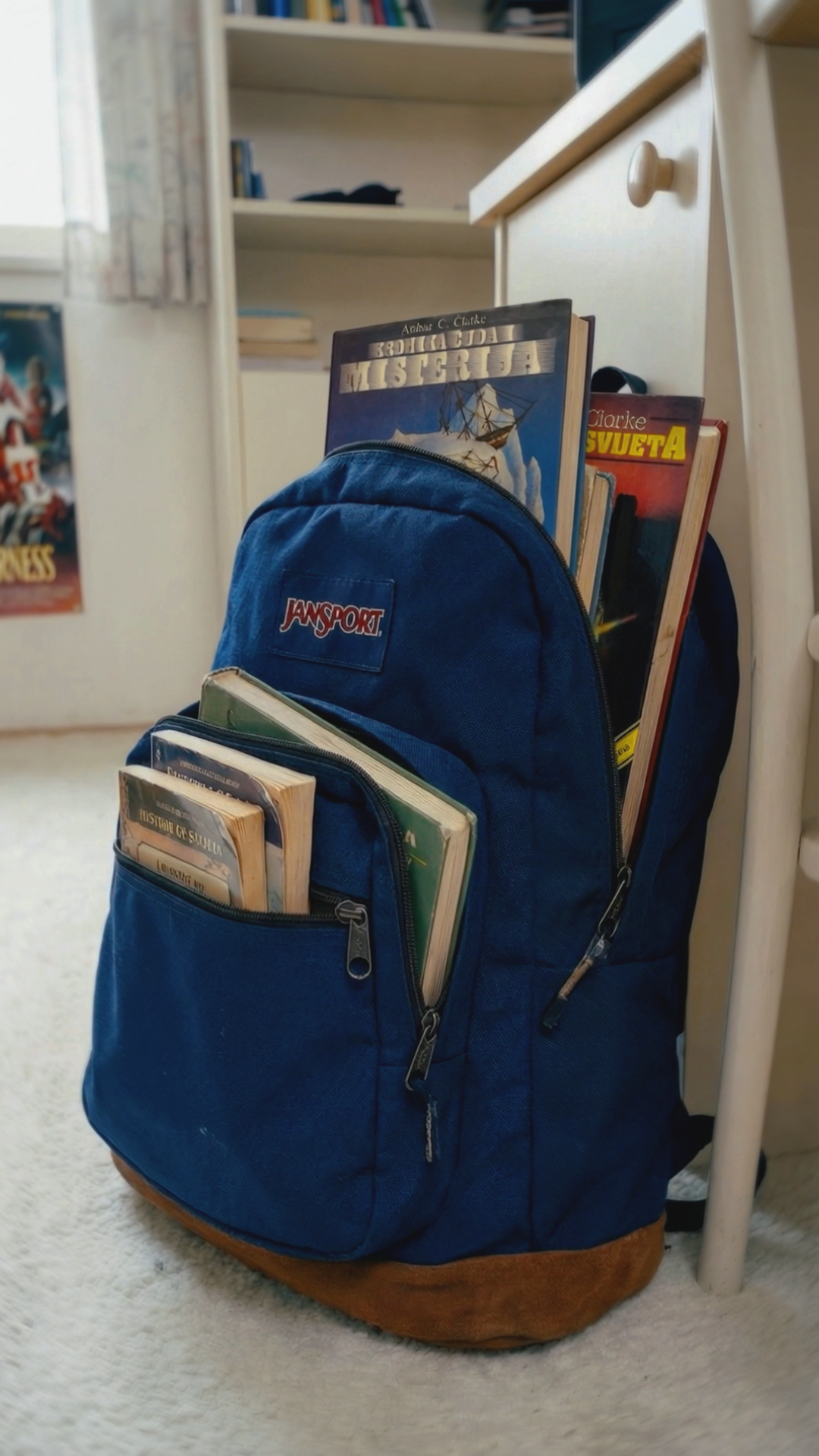
A time when mornings began in a room that felt like safety. Light on the wall, a map as a window to distant worlds. Games loaded slowly, teaching patience. Music lived on imperfect tapes, objects had weight, and everything felt real. The whole world existed within those few square meters.
WATCH IT ON:
EPISODE 23: May day
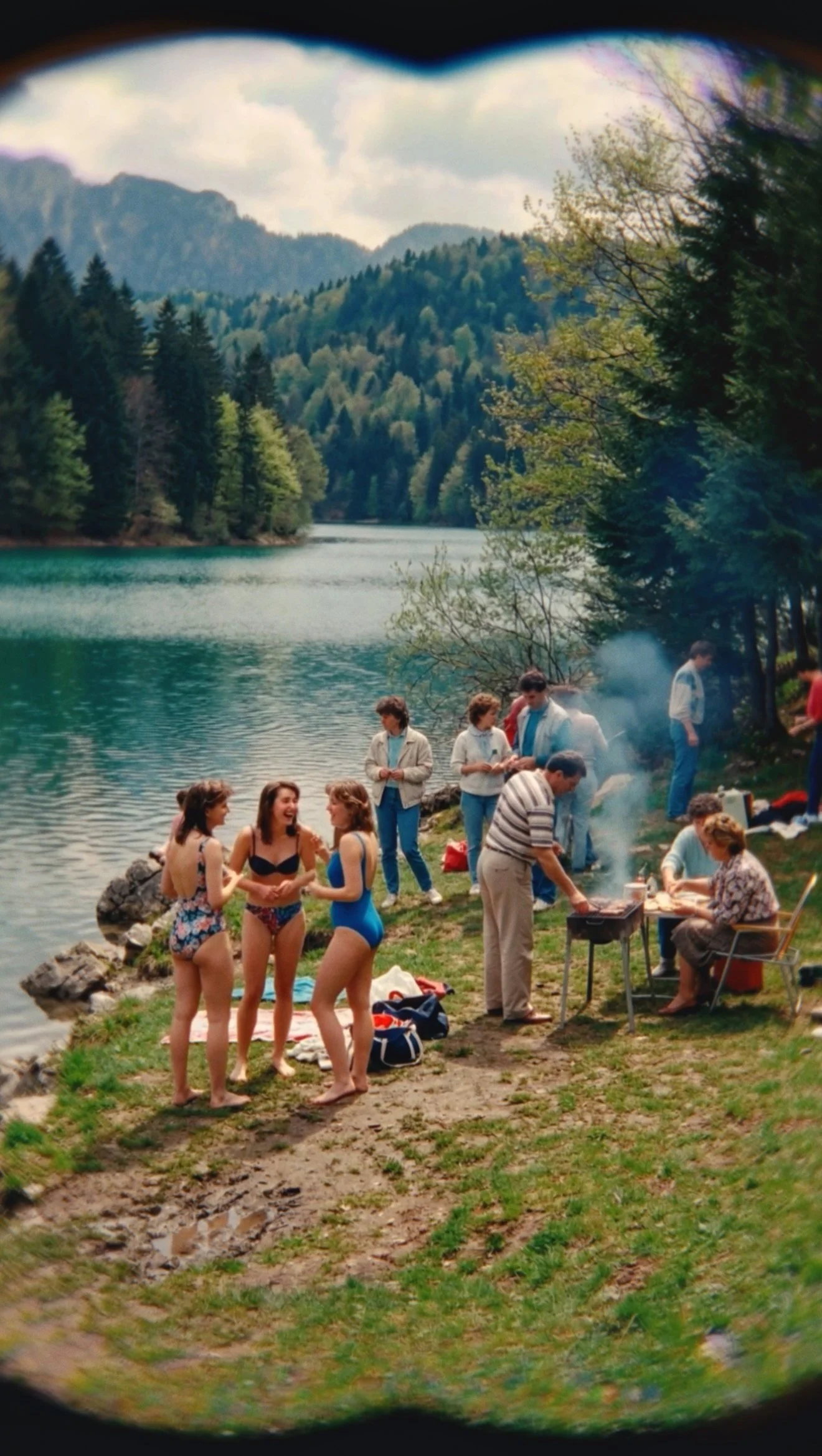
May Day started early. Before sunrise, cars were packed and people headed out, looking for a patch of grass to claim for the day. Food was simple, music unreliable, drinks kept cold in streams. Everyone shared what they had. No roles, no hierarchy - just time spent together. By evening, people went home tired, smelling of smoke, knowing the day had been enough.
WATCH IT ON:
EPISODE 25: Cigarete i izgubljeni dizajn
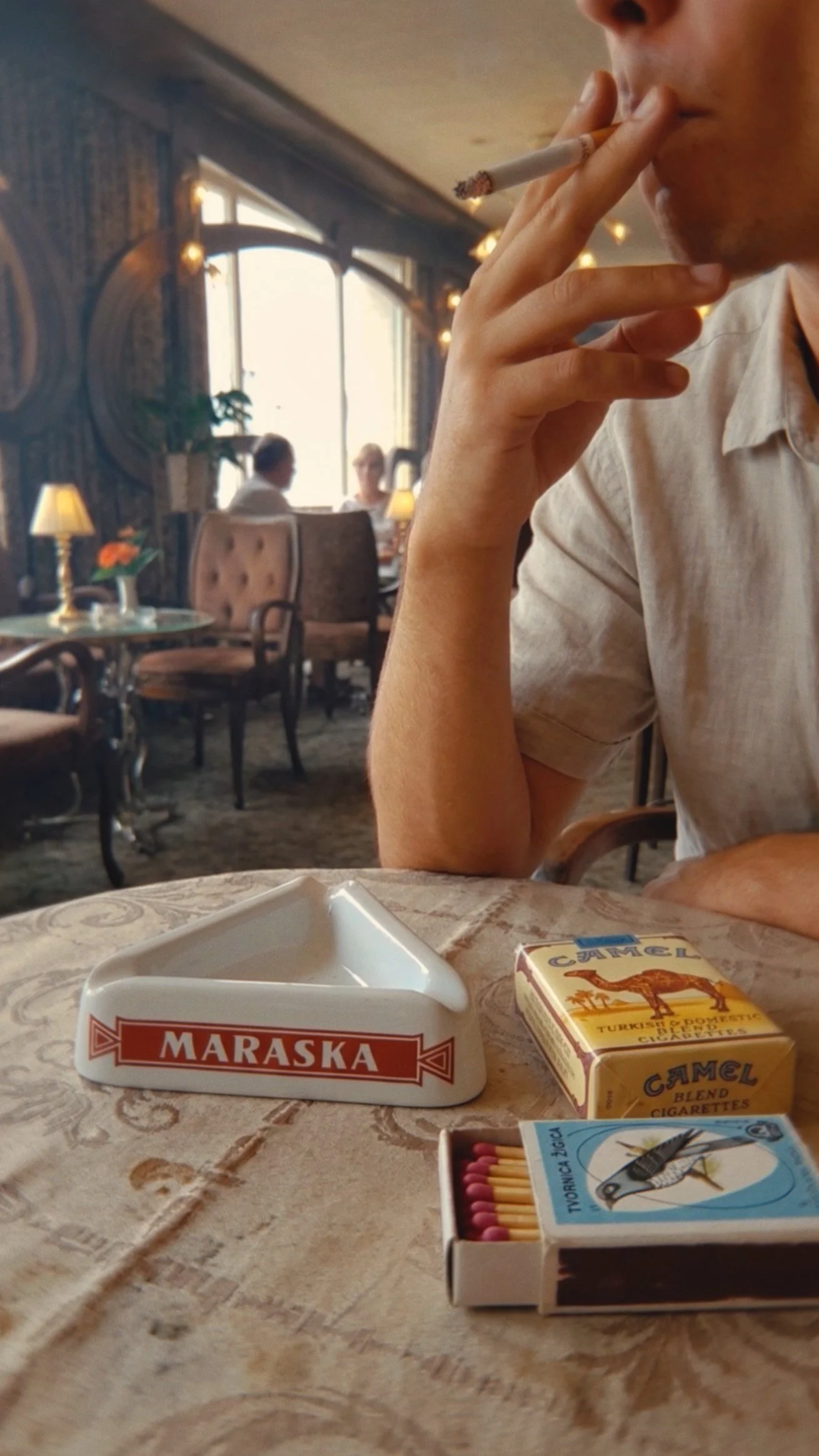
A nostalgic look back at the golden age of cigarette packaging design. A story about a time when Filter 57, Opatija, and smuggled Marlboros were visual status symbols, and the air in cafés was always blue with smoke. This is an ode to forgotten pocket-sized masterpieces, not the habit itself.
WATCH IT ON:
EPISODE 02: We called it “Živčara” (The Stress Express)
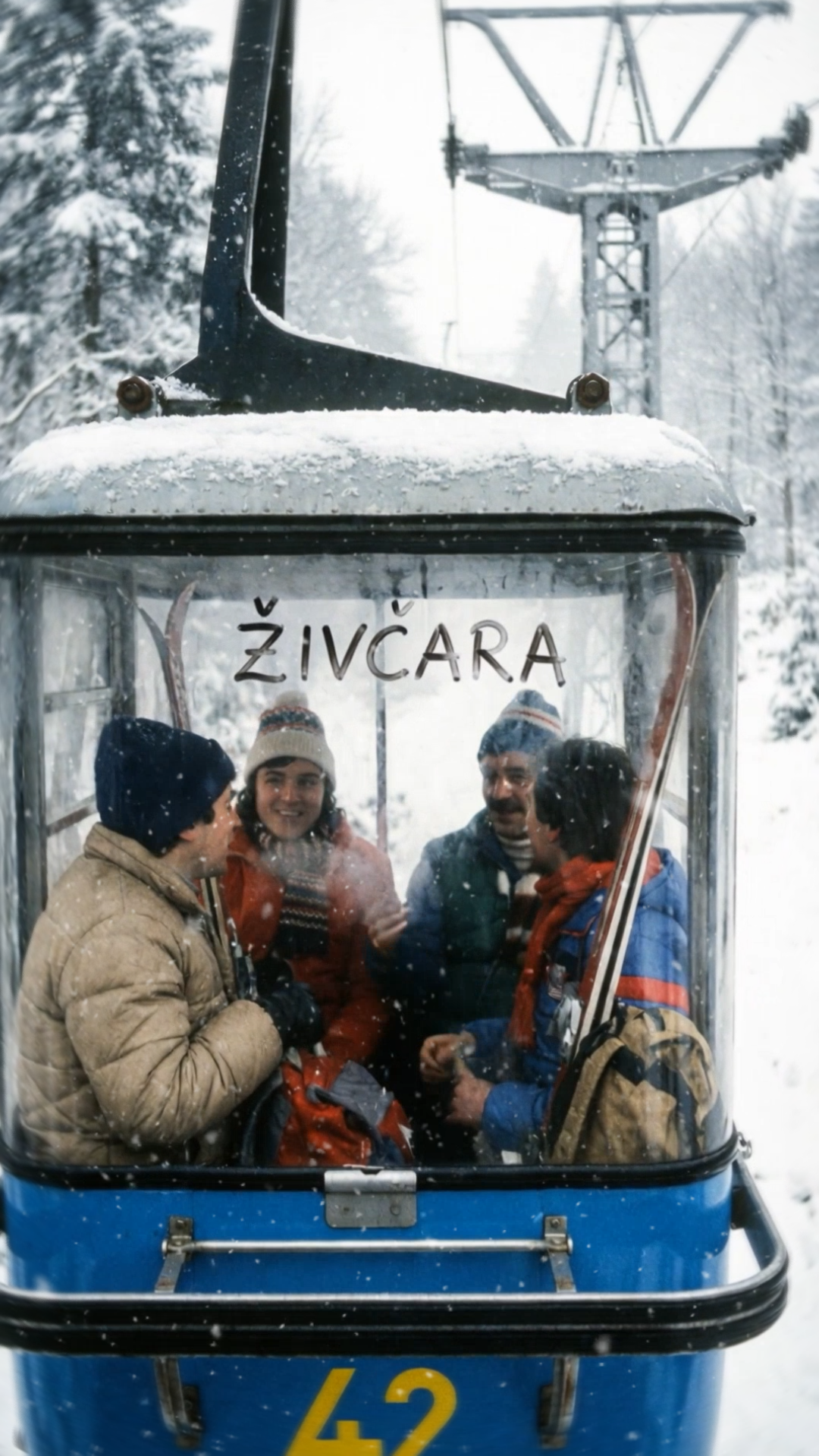
A memory of the old cable car that carried Zagreb out of the city and into something unknown. Crowded cabins, long waits, frozen fingers, and strangers pressed together slowly turned into shared moments. What remains is not the inconvenience, but the feeling of reaching the sun above the fog, and the quiet that followed.
WATCH IT ON:
A portrait of a time when objects were made to last and carried a sense of permanence. Inside NAMA, shelves held familiar names, Iskra appliances, Gorenje stoves, Jugokeramika cups, things that stayed in homes for decades without breaking. Each had its own sound, weight, and smell, woven into daily life.
WATCH IT ON:
EPISODE 04: Academic Quarter
A memory of a time when meeting someone meant exactly that. A place, an hour, and a word that held. The main square, the clock, familiar corners of the city where people waited and watched, learning patience and reading the rhythm of the street. There was a limit, fifteen minutes, and after that, you left. Not out of anger, but because a promise had weight.
WATCH IT ON:
EPISODE 06: Indestructible things that last forever
EPISODE 08: Today the whole world fits in your pocket
EPISODE 10: Sunday at 13PM
EPISODE 12: Until the last impulse
EPISODE 14: Return to analog generation
EPISODE 16: Spring Cleaning
EPISODE 18: Eat up so you grow big and strong!
EPISODE 20: Cars with character
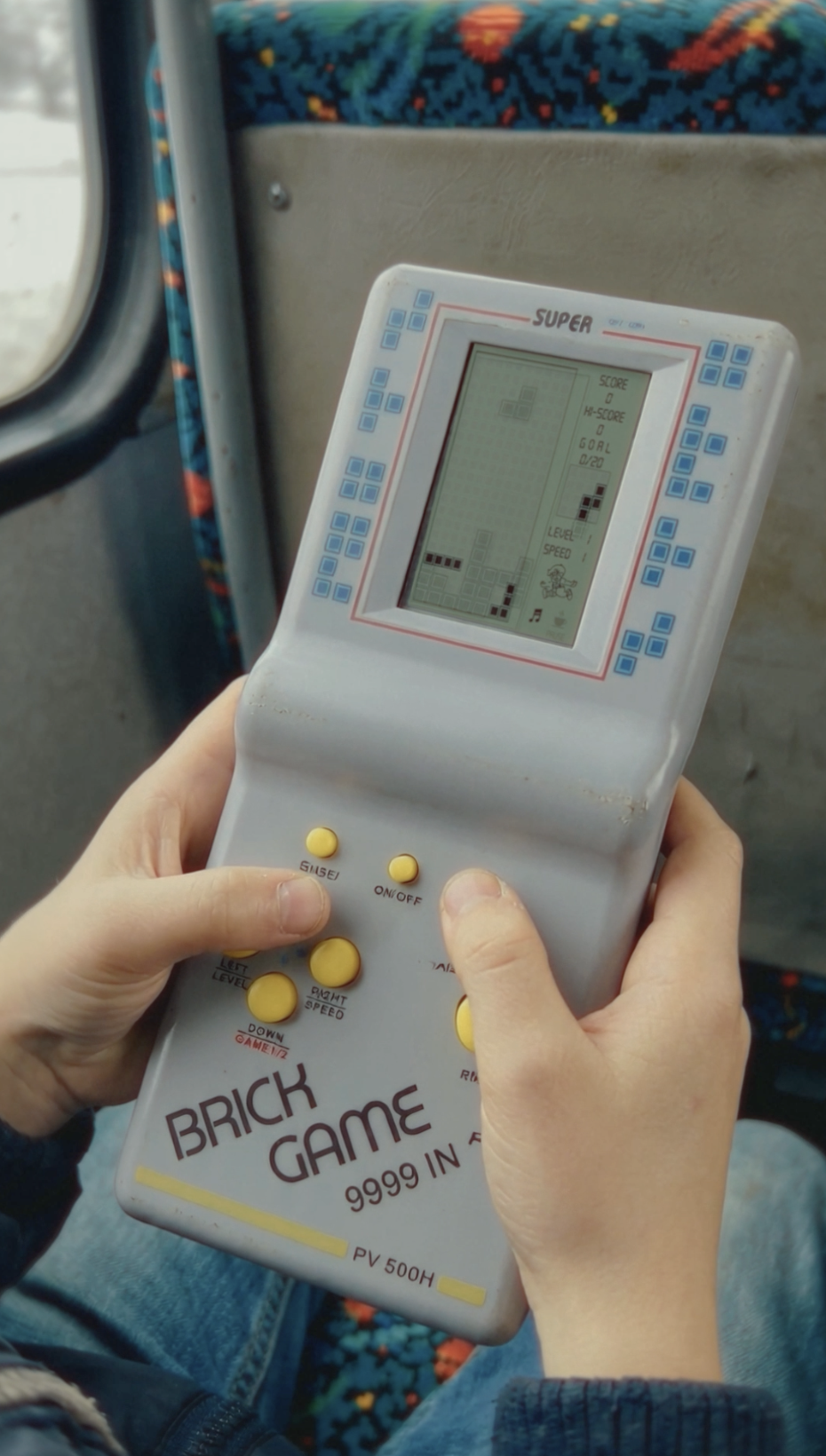
A childhood shaped by small gadgets that felt powerful in the moment. No smartphones, just noisy keychains, handheld games, cheap plastic devices that filled school desks and pockets. A Tetris machine with endless repetition, a Casio calculator that looked like advanced tech, water games that demanded patience, and improvised tools that turned into toys.
WATCH IT ON:
A Sunday at one o’clock, when the city fell silent and everything moved indoors. Families gathered around the table, following a rhythm that never changed. Soup first, clear and hot, then the main dish, shared without hurry, with the radio quietly filling the room. No one left the table early. Time stretched between courses, between conversations, between waiting.
WATCH IT ON:
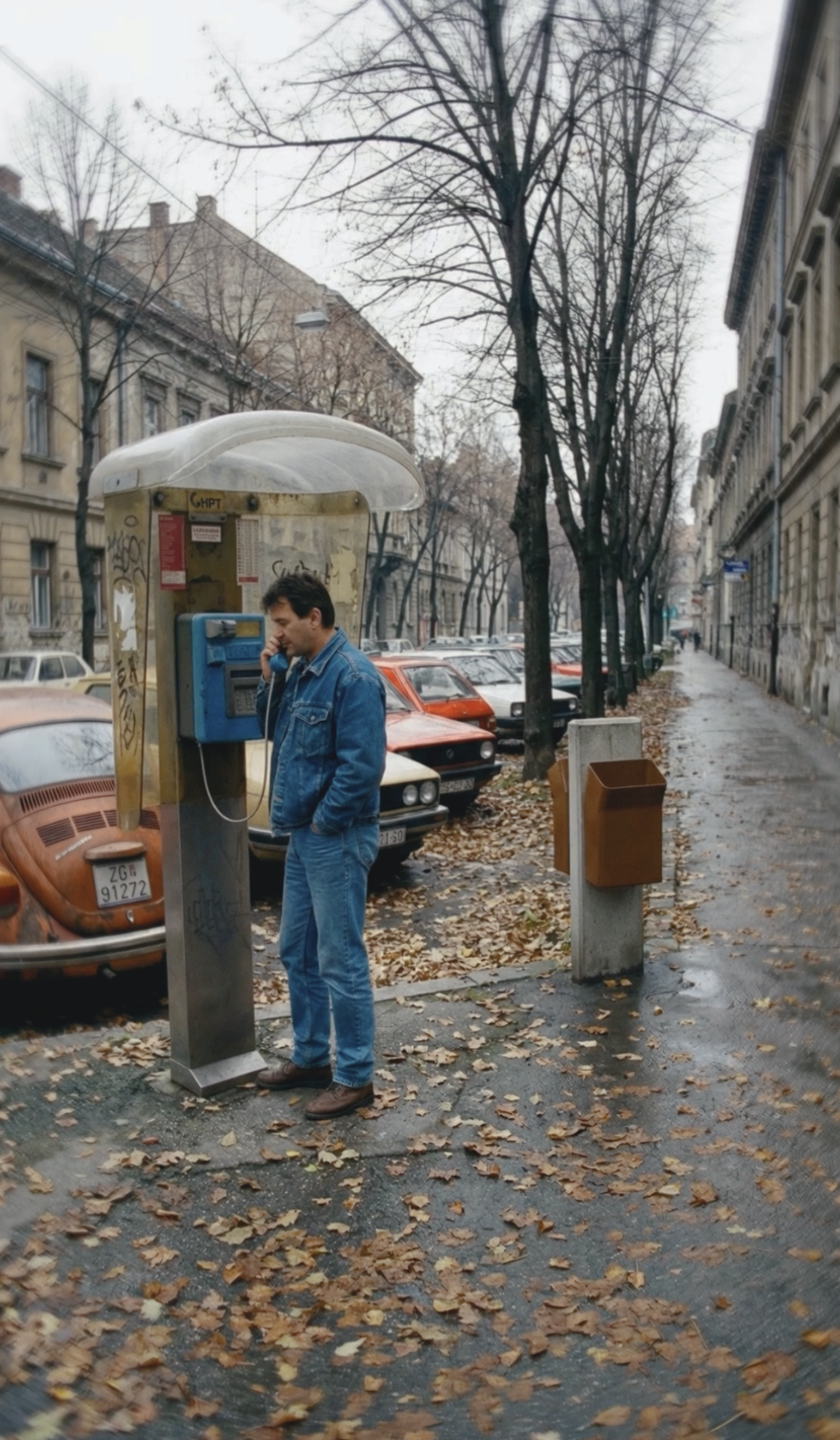
A time when a voice had to be found, not reached instantly. Phone booths stood as fixed points in the city, small enclosed spaces where conversations carried weight. Coins or cards in hand, numbers memorized or written down, every call had a beginning, a limit, and an end you could hear approaching. The space was shared, often with someone waiting outside, measuring your time.
WATCH IT ON:
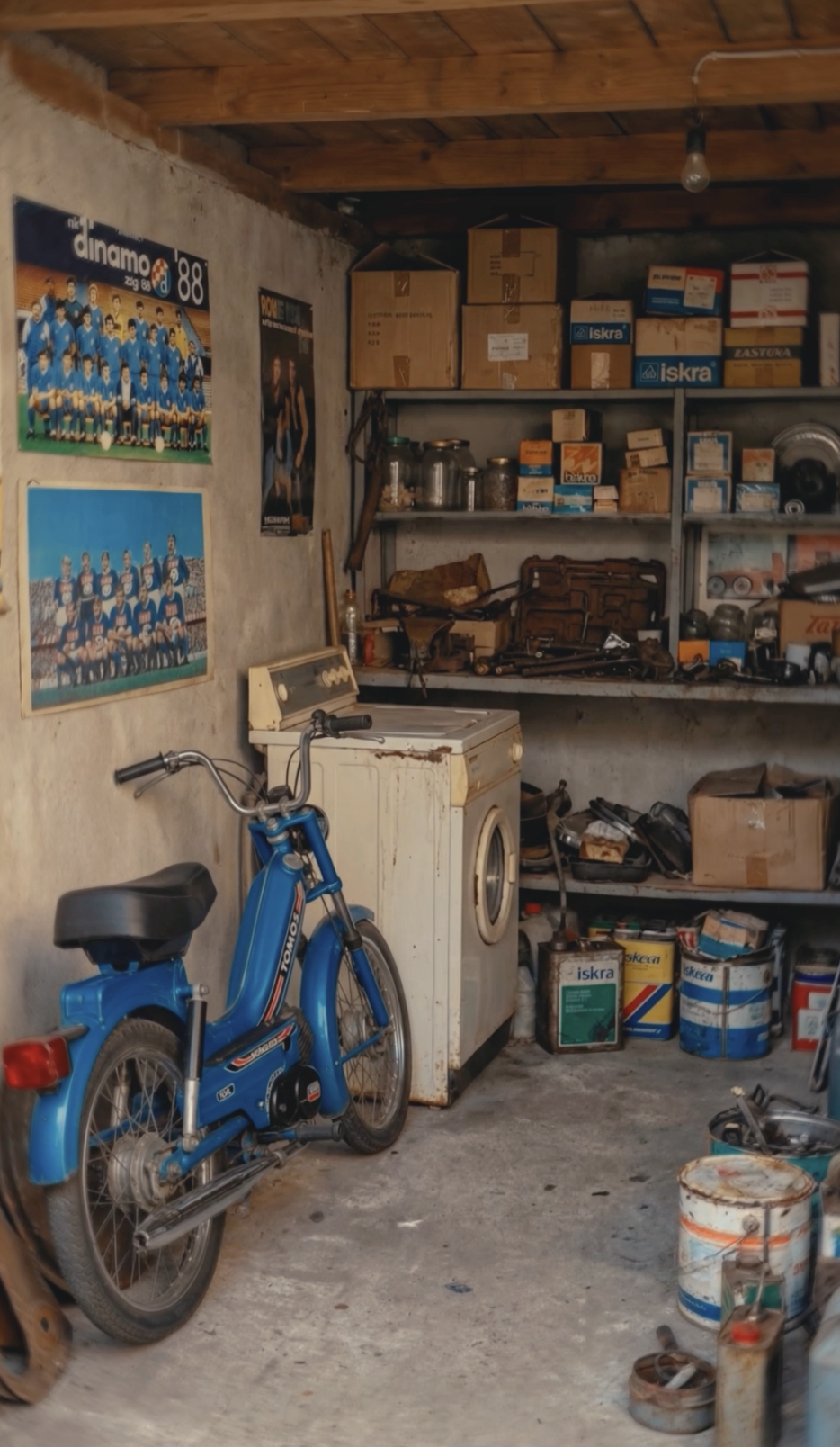
A time when devices were present, visible, and loud. Phones that rang and slammed shut with weight, typewriters where every word left a mark, radios that filled the room with light and sound. Machines had form, color, resistance under the hand. A scooter in the garage carried the same character, a fridge in the kitchen stood like something permanent, built to endure.
WATCH IT ON:
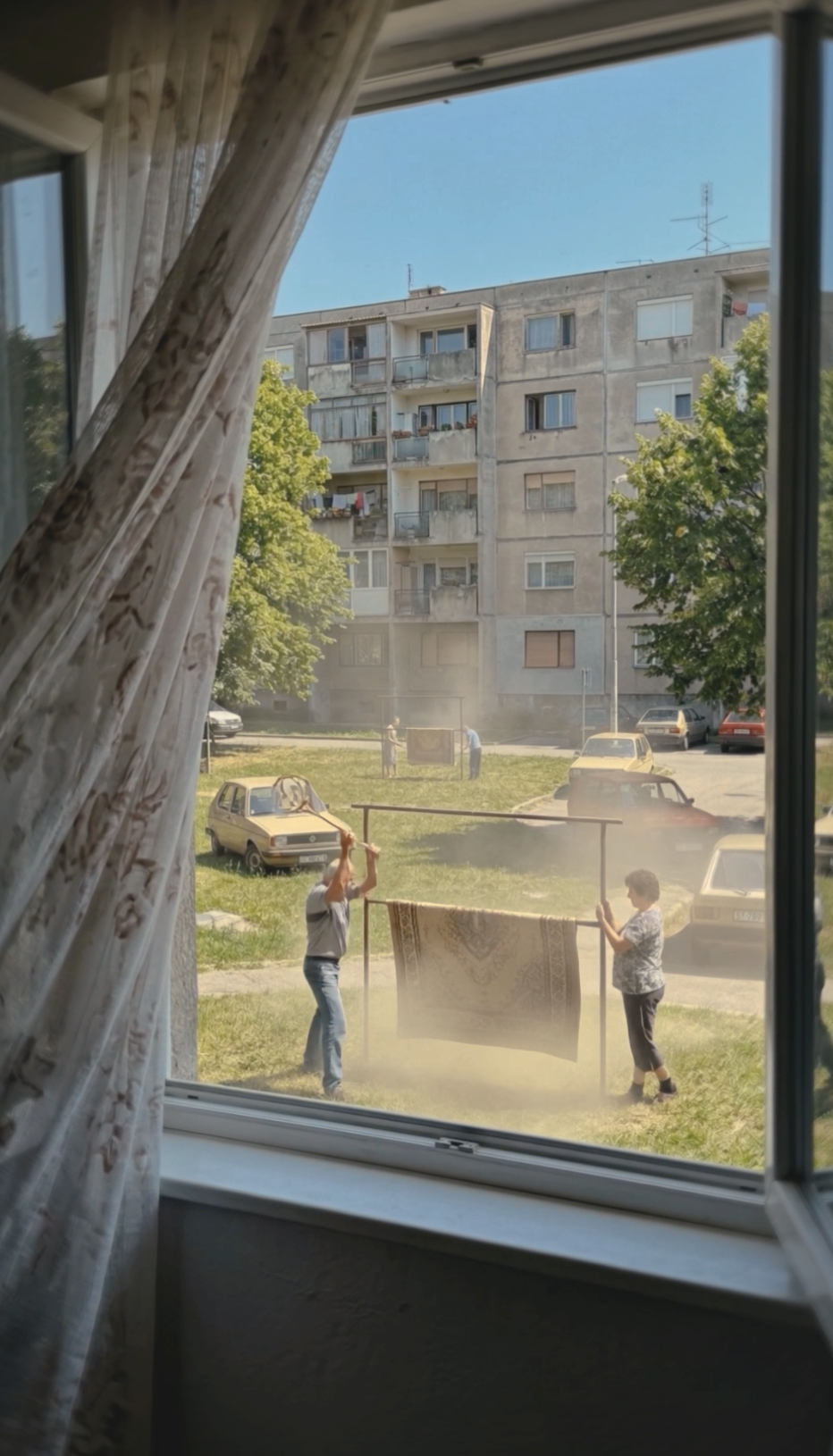
Spring cleaning as a full-day ritual, loud and physical. Windows thrown open, curtains pulled down, the sharp smell of vinegar and cleaning agents filling the air. Carpets carried outside, hung on metal frames in the yard, then beaten until clouds of dust rose in the sunlight. Everyone had a role, even if it meant just standing there, holding something, breathing in the work.
WATCH IT ON:
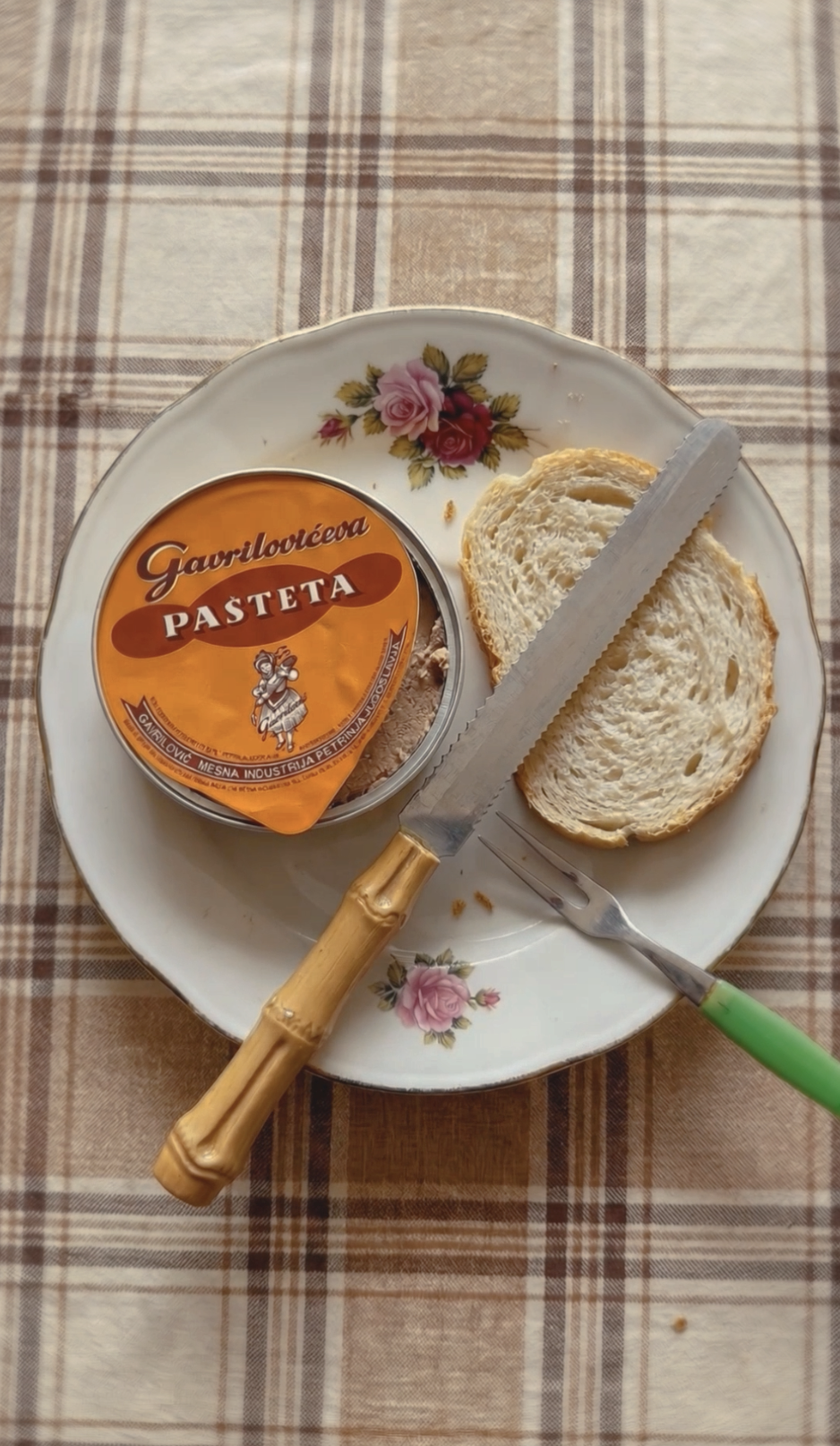
A breakfast built from a few simple things, always the same, always enough. Thick slices of white bread, spread with lard and paprika, or cheese triangles and pâté, eaten without thinking twice. Sweet versions followed, spreads layered generously, semolina with cocoa powder, bread soaked in warm milk. Everything was familiar, repetitive, and filling.
WATCH IT ON:
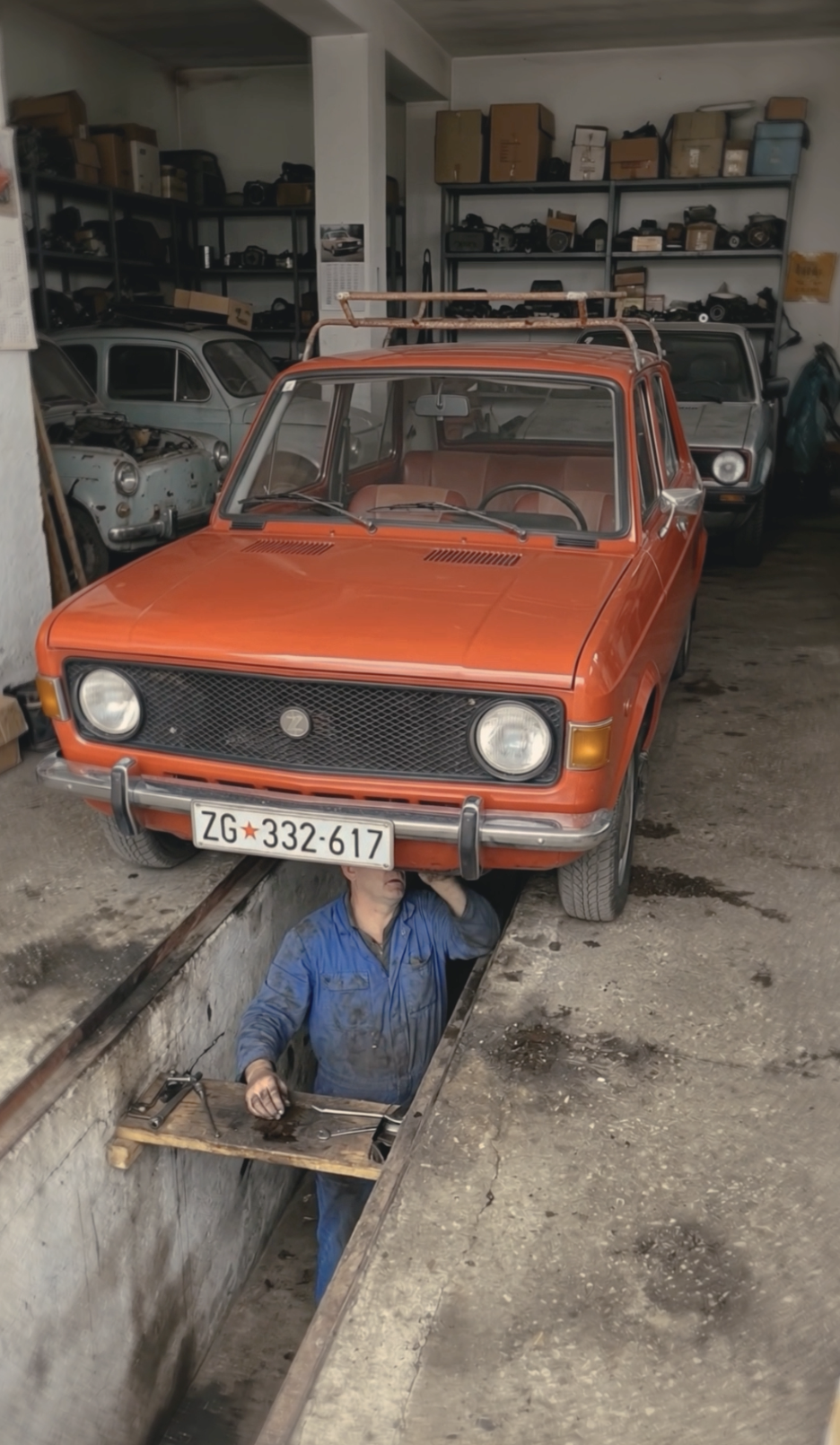
A time when cars were loud, imperfect, and full of character. Small, rounded bodies, engines that announced themselves, interiors filled with familiar smells and personal details. They demanded effort, from starting in the cold to long drives with open windows in the heat. Breakdowns, repairs, and shared journeys were part of owning them.
WATCH IT ON:
EPISODE 22: Sweets
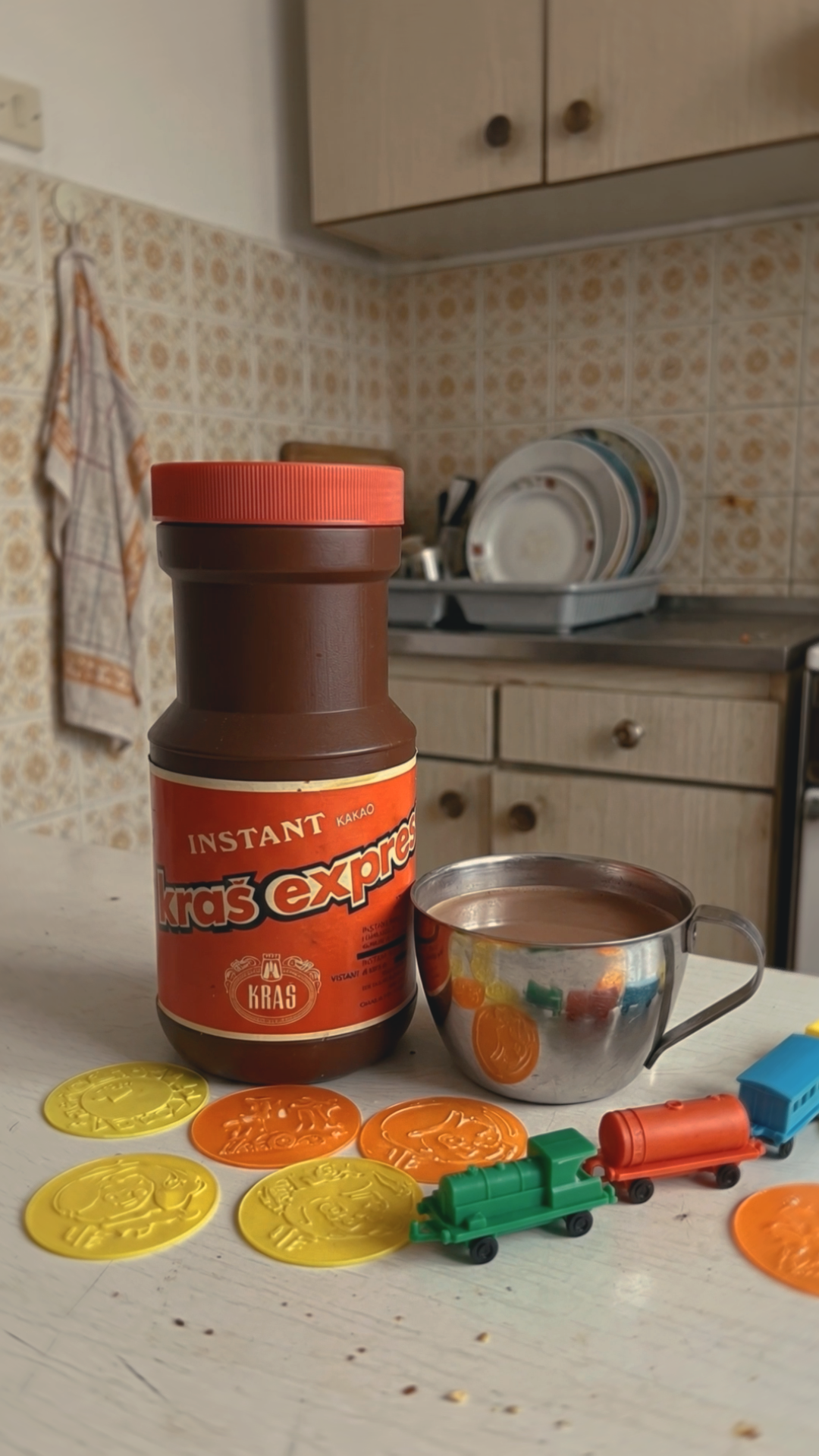
A time when choice was limited, but meaning was not. Wooden shelves held an entire universe of taste, where each jar, box, and wrapper carried identity. Flavors were distinct, rituals were shared, and small moments - morning drinks, traded sweets, Sunday - felt complete. Nothing was excessive, yet everything was remembered.
WATCH IT ON:
EPISODE 24: Željava
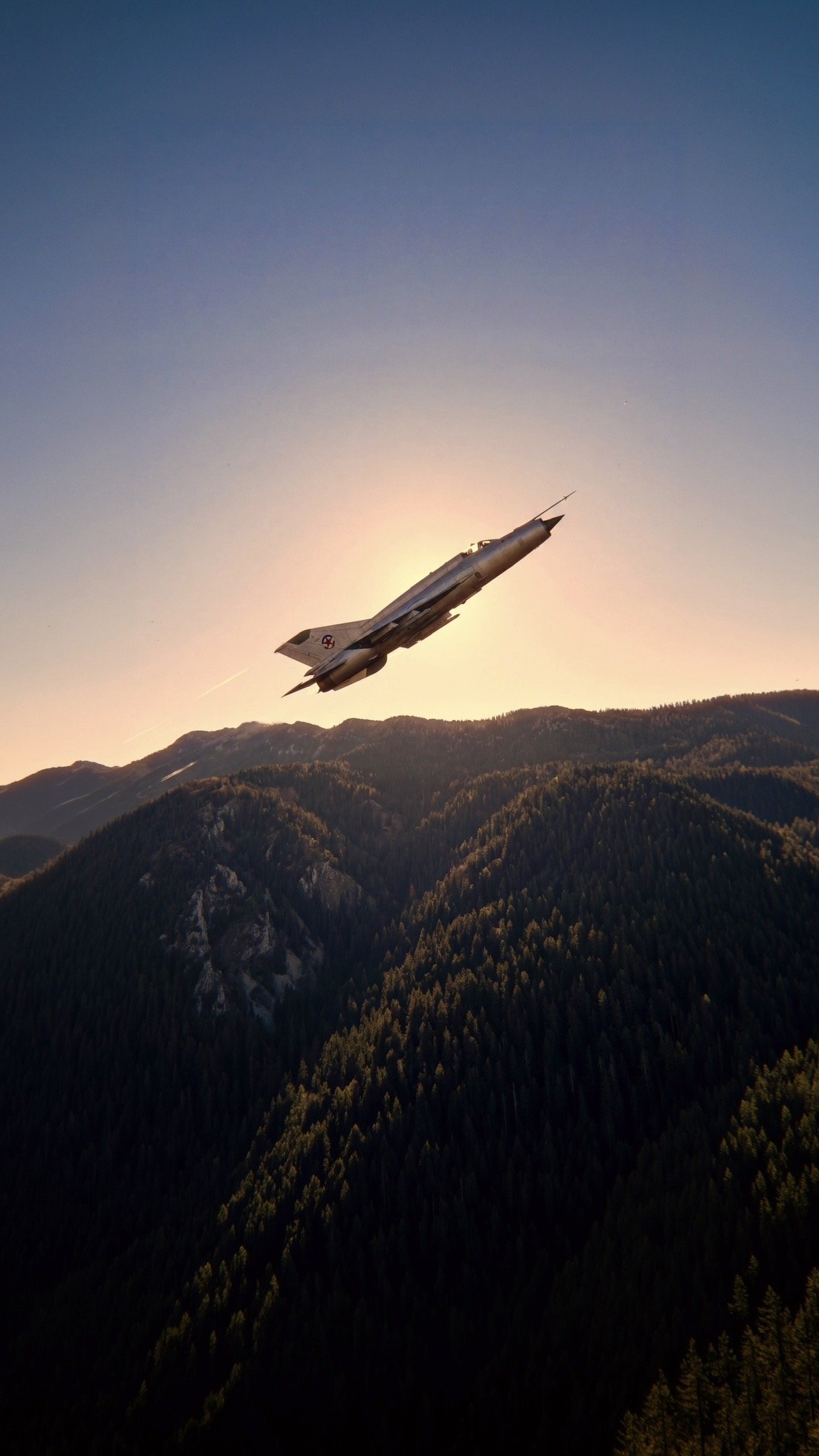
A gripping overview of Object 505, Željava, Europe's largest and most secretive underground military base. Built deep inside a mountain to survive a nuclear strike, this hidden city for MiG fighter jets was destroyed in 1992. This is a glimpse into a monumental Cold War engineering marvel designed for the end of the world
WATCH IT ON: